Gardening Gunnersbury: Recycling and Sustainability for Greener Gardens
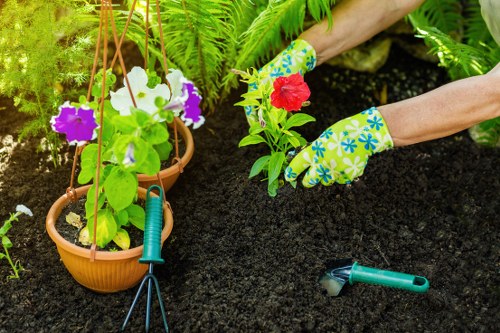 Gardening Gunnersbury is committed to creating an eco-friendly waste disposal area and a thriving sustainable rubbish gardening area that supports biodiversity, reduces landfill and models best practice for the community. Our approach blends practical on-site systems with local partnerships, clear targets and a low-carbon logistics plan to keep garden waste and recyclables moving in the right direction.
We celebrate a circular approach to garden management: diverting green waste to composting, reusing materials like reclaimed timber and stone for raised beds and paths, and ensuring that any recyclable packaging from plants and soil is returned to the recycling stream. In line with boroughs' approaches to waste separation — typically separating mixed recyclables, food waste, and garden waste — our site mirrors that separation to make responsible disposal straightforward for volunteers and visitors.
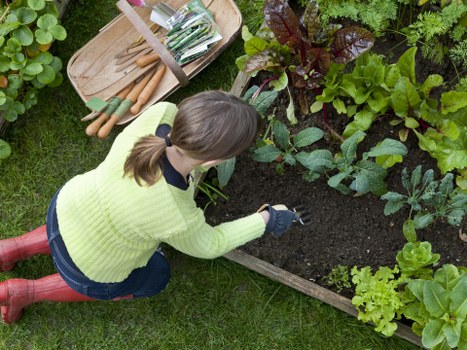 Our recycling percentage target is ambitious yet achievable: we aim to reach a 65% recycling and reuse rate across all garden waste streams within five years. To reach this goal we track volumes of green waste diverted to compost, tonnage of soil and stone repurposed on site, and materials directed to accredited local transfer stations. We also commit to transparency by reporting progress annually and refining operations to hit that 65% target.
Local Transfer Stations, Collections and Recycling Activity
We work closely with nearby municipal transfer stations and community recycling centres to ensure materials that cannot be processed on site are handled responsibly. These local transfer stations accept a spectrum of waste types relevant to gardening projects — from bulky wood and metal to inert soil and rubble. By coordinating drop-offs and scheduled collections we shorten transport times and reduce handling, keeping the environmental footprint low.
 Partnerships are central to our model: we partner with local charities, community recycling schemes and borough services to extend the life of usable items. Rather than discarding surplus pots, tools or furniture, we refurbish or donate them through charity partners for reuse. These collaborations help reduce waste, support vulnerable communities and close material loops.
Common recycling activities we support include:
- Green waste composting — on-site and at partner compost hubs;
- Wood and timber recycling — reclaimed for infrastructure and sent to specialist processors if unsuitable for reuse;
- Soil reuse and remediation — screening and amending soils to keep them in circulation;
- Mixed recyclable packaging — aligned with local boroughs' kerbside sorting systems to separate plastics, glass, paper and cans;
- Bulky waste routing — transferring large items via borough transfer stations to the correct recycling stream.
Low-Carbon Fleet and Sustainable Operations
To support our sustainable rubbish gardening area we operate a low-carbon fleet of vans and vehicles for collection and redistribution. These include electric vans for short urban runs and hybrid vehicles for heavier loads. Route optimisation software and scheduled consolidation runs reduce empty miles and emissions, contributing to a measurable decrease in transport carbon intensity.
 Operational measures also include careful material segregation at source, regular maintenance of equipment to extend service life, and use of renewable energy where feasible for composting bays and tool sheds. Combining these measures supports an integrated low-impact system that prioritises reuse and local processing.
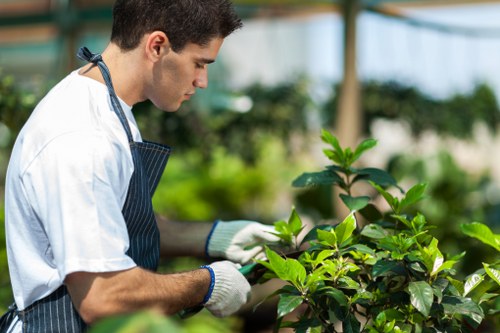 Our vision for a sustainable rubbish gardening area is practical: create spaces where soil, plants and materials stay in productive circulation, where local transfer stations and borough waste separation systems work hand-in-hand with community initiatives, and where a demonstrated recycling percentage target keeps us accountable. Through partnerships with charities and reuse networks, and by investing in low-carbon vans and better logistics, Gardening Gunnersbury seeks to be a model of urban garden sustainability that is scalable and community-led.
Community participation remains essential. Volunteers and neighbours can help by separating green waste from general rubbish, rinsing recyclable containers, and bringing bulky garden items to designated transfer points when possible. Our team provides clear signage at the eco-friendly waste disposal area to guide proper sorting and to align with the boroughs' sorting categories.
We believe local action delivers global benefits: fewer lorry miles, reduced methane from landfill, and healthier soils returned to local green spaces. By prioritising composting, reuse, and low-carbon transport, our sustainable gardening initiative contributes to better air quality, improved biodiversity and resilient urban soils.
Gardening Gunnersbury is committed to continuous improvement: monitoring our recycling percentage targets, expanding charity partnerships for reuse and redistribution, and gradually converting more of our fleet to electric vehicles. Together with borough transfer stations and community partners, we will keep building an efficient, low-carbon, and socially beneficial system for garden waste and recycling.