Difficult access solutions for Gunnersbury gardeners
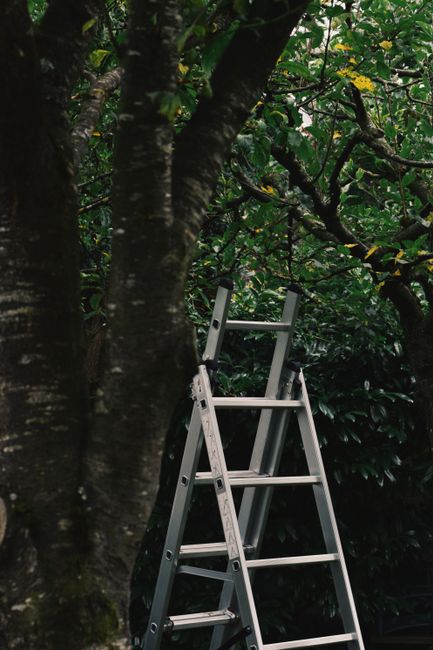
If your garden is tucked behind a terrace, split by narrow side passages, or only reachable through a tight gate, you already know the job is never quite as simple as it looks from the street. That is exactly where Difficult access solutions for Gunnersbury gardeners come in. The right approach can turn a frustrating, slow, awkward job into something safe, efficient, and surprisingly manageable. It is not just about getting tools in and waste out; it is about planning, protecting surfaces, and choosing methods that suit the space rather than fighting it.
In Gunnersbury, you often see a mix of compact urban plots, shared access routes, older boundary walls, and gardens that have become harder to maintain over time. So, whether you are dealing with a long carry to the rear, a steep path, limited storage for equipment, or a garden that has simply got away from you, there are sensible solutions. This guide breaks down how difficult access gardening works, when it makes sense, what to avoid, and how to get the best results without turning the whole thing into a circus.
Why Difficult access solutions for Gunnersbury gardeners Matters
Difficult access is one of those problems people underestimate until they are halfway through a job and carrying hedge cuttings through a narrow passage in three separate trips. Then it becomes obvious. The extra distance, the tight corners, and the lack of easy vehicle access all add time, labour, and risk. A garden can be perfectly ordinary in appearance and still be awkward to work on.
For homeowners and landlords in Gunnersbury, the issue matters because access affects almost every part of a job: how long it takes, what equipment can be used, how much waste can be removed, and how safely the work can be done. A good setup can reduce disturbance to neighbours, protect paving and planting, and avoid the kind of damage that turns a routine maintenance visit into an expensive headache. To be fair, it also makes life easier for the people doing the work, which usually improves the end result.
There is another reason it matters: difficult access often becomes a long-term maintenance issue. If a garden is hard to reach, people tend to put off jobs, and once jobs are delayed, the space gets denser, heavier, and more awkward still. One overgrown corner can make the whole garden feel like a battle. A practical access plan helps break that cycle.
How Difficult access solutions for Gunnersbury gardeners Works
Good difficult access work starts with assessment, not guesswork. The first question is simple: how does the team get in, and how does everything get back out? That sounds obvious, but in real gardens the answer is not always obvious at all. You may have a side alley, rear lane, shared entrance, basement-level yard, or only a narrow gate that barely swings open on a good day.
The process usually involves mapping out the route, identifying pinch points, and deciding what can be carried by hand, what can be broken into smaller loads, and what needs more careful handling. Sometimes the right answer is compact hand tools, wheelbarrows, bags, and smaller load sizes. In other situations, it is about scheduling more time, using lighter equipment, or planning waste removal in stages rather than all at once.
A useful way to think about it is this: the garden is not difficult because the work itself is impossible, but because the route changes how the work must be delivered. That distinction matters. A hedge trim or garden clearance job may be entirely straightforward once the access plan is right.
For larger or more complex projects, the access plan may connect with landscaping work, garden clearance, or ongoing garden maintenance. In other words, access is not a side issue. It shapes the whole job from the first minute.
Key Benefits and Practical Advantages
The strongest benefit is control. When access is difficult, a rushed approach usually creates more problems than it solves. A planned approach keeps the work tidy, protects your property, and gives a clearer idea of what can realistically be achieved on the day.
- Less damage: Narrow routes, paving slabs, fences, and lawn edges are easier to protect when the route is planned properly.
- Better efficiency: Fewer wasted trips, better load sizing, and the right tools save time.
- Safer working conditions: Tight access often means awkward lifting and carrying. A proper plan reduces strain and slip risks.
- Cleaner finish: Waste is easier to gather, sort, and remove without trampling planted areas.
- Less neighbour disruption: Thoughtful movement and timing help keep noise and traffic down.
- More realistic outcomes: You get a clearer picture of what can be completed in one visit, and what might need staged work.
There is also a comfort factor. If you have ever watched people drag bulky waste through a skinny side passage, you will know how stressful that can feel. A small amount of planning can make the whole experience calmer. It sounds unglamorous, but calm is underrated.
Who This Is For and When It Makes Sense
Difficult access solutions are useful for a lot of people, not just for heavily overgrown plots. They make sense if any of the following sound familiar:
- Your garden is only accessible through the house or a narrow side return.
- There is no driveway or easy vehicle access for tools and waste.
- The route includes steps, slopes, uneven paving, or awkward corners.
- Large items, such as branches or old fencing, cannot be moved in one piece.
- Shared access needs careful handling to avoid upsetting neighbours.
- You want regular upkeep but the access route makes every visit more complicated.
It is especially relevant for older properties, terraced homes, and compact urban gardens where access was never designed with modern equipment in mind. You do not need a huge plot for access issues to matter. Sometimes a tiny garden can be the trickiest job of the week.
It also makes sense for property managers and landlords who need reliable, repeatable maintenance. If a site is difficult to reach, consistency matters more than ever. That is where practical services like lawn mowing, hedge trimming, and even selective tree lopping and removal can be planned around the access limitations rather than against them.
Step-by-Step Guidance
Here is the simplest way to think about the job from start to finish.
- Assess the access route. Measure gates, note steps, look for low walls, loose paving, or anything that could block movement.
- Identify the bottlenecks. Where will bags, branches, soil, or tools get stuck? That is usually the real issue.
- Match the tools to the route. Smaller equipment, folding tools, hand-carry bags, or compact loaders may be more suitable than standard gear.
- Plan the waste flow. Decide how cuttings and debris will be gathered, stored temporarily, and removed without blocking the route.
- Protect surfaces. Use boards, mats, or careful lift paths where needed, especially over decking, slabs, or decorative edging.
- Work in stages. In tight gardens, breaking the job into sections is often cleaner and safer than trying to do everything at once.
- Review the finish. Check for missed debris, surface scuffing, and any access points that need a bit of clean-up afterwards.
A practical example: if a garden clearance starts with a full build-up of leaves, old pots, and pruned branches, it may be smarter to clear a central route first. Once the path is open, everything else becomes easier. Small win, but a real one.
If the job is likely to involve major waste volumes or stubborn overgrowth, it can help to combine access planning with a broader site tidy-up. In some cases, the wider services overview gives a better sense of how different tasks fit together, especially when the garden needs more than one type of work.
Expert Tips for Better Results
In our experience, the best results come from very practical habits. Nothing flashy. Just sensible decisions made early.
Start with the heaviest item first. If a job includes awkward materials such as old timber, root balls, or wet green waste, plan for those before lighter tidy-up tasks. Heavy items are what wear people down.
Keep the route clear at all times. It is tempting to stack cuttings "just for a minute" near the narrowest point. That minute has a habit of becoming the whole afternoon. Not ideal.
Choose the smallest workable load size. Overfilling bags or carts may look efficient, but in difficult access gardens it often slows everything down. Smaller loads are easier to carry and safer to manoeuvre.
Be honest about the condition of the garden. If brambles, broken fencing, or slippery surfaces are present, say so early. That lets the work be planned properly and avoids nasty surprises.
Think about the neighbour factor. Shared paths, bins, and fence lines can create friction if no one is expecting activity. A little courtesy goes a long way, especially in close-knit streets.
And yes, sometimes a task that looks like a two-hour tidy becomes a five-hour puzzle. That is life in awkward-access gardens. A bit annoying? Absolutely. But workable, if approached properly.
Common Mistakes to Avoid
Most access problems get worse because people try to treat them like standard garden jobs. That is the mistake.
- Ignoring the route until the day of work. This often leads to blocked access, wasted time, and unnecessary lifting.
- Using oversized equipment by default. Bigger is not always better in narrow spaces.
- Assuming waste can be moved in one go. In tight gardens, staged removal is often the smarter option.
- Forgetting about wet ground. A route that seems manageable in dry weather can become slippery and unsafe after rain.
- Overlooking surface protection. Gravel, stone, decking, and old brick paths can all get scuffed or marked.
- Leaving pruning or clearance too long. The more a garden grows over, the harder access tends to become. It snowballs.
One of the most common issues, truth be told, is underestimating the amount of waste. A few shrubs can produce a lot more material than people expect, especially once cut back. That matters because waste volume affects how long the job takes and how the route must be managed.
Tools, Resources and Recommendations
You do not need a warehouse full of specialist equipment to solve access issues, but you do need the right basics. For most difficult access jobs, the most useful tools are often the simplest ones:
- compact hand tools for trimming and pruning
- lightweight bags or tubs for collecting waste
- wheelbarrows or small carts where the route allows them
- protective mats or boards for fragile surfaces
- secateurs, folding saws, loppers, and hedge tools suited to confined spaces
- good gloves and sturdy footwear, especially where the ground is uneven
For some gardens, access work is really a combination of services rather than a single task. A tight rear garden may need clearance first, then regular maintenance, then selective landscape changes to make future visits easier. That could involve landscape gardening or even structural improvements like decking services where the layout needs rethinking for better use of space.
It is also sensible to look at the bigger picture. If waste is generated during access-heavy work, a responsible approach to sorting and disposal matters. The site's recycling and sustainability information is useful for understanding how green waste and materials are handled in a more considered way.
Law, Compliance, Standards, or Best Practice
For most garden access work, the most important point is not a dramatic legal one; it is sound working practice. That said, safety and care still matter. Anyone carrying out garden work in difficult conditions should think about manual handling, trip hazards, safe tool use, and the condition of access routes. In the UK, those are everyday best-practice concerns rather than optional extras.
If a job involves trees, heavy branches, sharp tools, or the removal of significant waste, careful handling becomes even more important. Similarly, if access is shared or close to neighbouring property, it is sensible to avoid blocking entrances, damaging boundaries, or leaving debris where it could cause nuisance.
Reputable providers should also be transparent about how they work. Policies around health and safety, insurance and safety, and clear service expectations help build trust. If you are comparing providers, that transparency matters. It is one of the easiest ways to separate a careful team from someone just winging it with a van and a pair of shears.
Accessibility also matters in the broader sense. For households or sites that need thoughtful communication and fair treatment, it is worth checking an organisation's accessibility statement and how it handles service information. Clear processes usually mean fewer misunderstandings later.
Options, Methods, or Comparison Table
There is no single best access solution. The right method depends on the size of the route, the type of work, and how much material needs to move. Here is a practical comparison.
| Method | Best for | Pros | Limitations |
|---|---|---|---|
| Hand-carry with small bags | Narrow gates, short carry distances | Flexible, low impact, easy to manoeuvre | Slower for larger jobs |
| Wheelbarrow or compact cart | Reasonably level routes | Reduces lifting, efficient for repeated loads | Hard to use on steps or very tight turns |
| Staged clearance | Overgrown or cluttered gardens | Improves access as work progresses | Requires more planning and patience |
| Property reconfiguration | Long-term access improvements | Can make future maintenance easier | May require broader landscaping work |
For many Gunnersbury gardens, the smartest answer is a blend of these methods. A route may start as hand-carry only, then open enough for a cart after an initial tidy, and then become easier still once overgrowth is cleared away. It is a bit like unlocking levels, if that does not sound too dramatic.
Case Study or Real-World Example
Picture a modest rear garden behind a terraced property. The lawn is patchy, one hedge has pushed into the path, and the only access is through a narrow side passage with one awkward bend. Nothing outrageous, but enough to make standard garden work frustrating. The first instinct might be to treat it like any other tidy-up. That would be a mistake.
A better approach is to open the route first, then tackle the rest. Clearing the narrow passage of loose pots and debris, cutting back the hedge that narrows the way, and removing waste in smaller loads all make the job manageable. Once the path is safer, the lawn can be mown, the hedge trimmed more cleanly, and the remaining waste moved out without repeated snags.
In practice, the garden ends up looking better not because the work was more dramatic, but because it was sequenced properly. That is the real lesson. Access planning is often invisible in the finished result, but you can feel it in how tidy, safe, and smooth the process was.
Practical Checklist
Use this before any difficult access garden job:
- Measure the narrowest gate, path, or side passage.
- Check for steps, slopes, loose paving, or slippery spots.
- Decide how waste will be moved out.
- Identify any surface protection needed.
- Confirm whether shared access or neighbour coordination is required.
- Choose tools that fit the space, not just the task.
- Break larger jobs into clear stages.
- Plan for wet weather or limited daylight if the job may run long.
- Review whether follow-up maintenance will be easier after the first round of work.
Expert summary: the best difficult access solution is usually the one that respects the route, reduces lifting, and keeps the work moving in small, controlled steps. Simple, really. But simple is not always easy.
If your garden is awkward to reach, the next sensible step is to get a clear view of the space and decide whether a one-off clearance, ongoing maintenance, or a more structural garden rethink is the right answer. If you want help planning that properly, you can also explore pricing and quotes and learn more about the team through the about us page.
Get a free quote today and see how much you can save.
Conclusion
Difficult access does not mean difficult outcomes. With the right plan, narrow routes, awkward corners, and shared access points can all be managed in a way that feels calm and practical rather than chaotic. That is the real value here: less stress, less damage, and a garden that becomes easier to care for over time.
Whether you need clearance, trimming, maintenance, or a better long-term layout, the key is to work with the access you have, not against it. Once you do that, even the trickiest garden starts to feel more manageable. And honestly, that first clear path through an overgrown space feels pretty good.
Frequently Asked Questions
What are difficult access solutions for Gunnersbury gardeners?
They are practical methods used to carry out gardening work where access is tight, awkward, shared, or limited by narrow gates, side passages, steps, or long carry distances.
Why does difficult access make garden work more expensive or time-consuming?
Because it usually takes longer to move tools, waste, and materials in and out safely. It may also require smaller loads, more labour, and extra care to protect surfaces.
Can a small garden still have difficult access?
Yes. A tiny garden can be very awkward if the only route is through the house, down steps, or along a narrow passage. Size and access are not the same thing.
What should I tell a gardener before they visit?
Tell them about gates, steps, narrow points, surface types, shared entrances, parking limits, and any heavy or bulky waste. The more accurate the picture, the better the plan.
Do I need a clearance before regular maintenance can start?
Sometimes, yes. If the garden is overgrown or cluttered, a one-off clearance can make ongoing maintenance much easier and safer to carry out.
How do gardeners protect paving and decking in tight spaces?
They may use careful load sizes, mats, boards, and staged movement to reduce scuffing or damage. Good route planning usually matters more than brute force.
Is difficult access a problem for hedge trimming and lawn mowing?
It can be. Hedge trimming may involve awkward carries for cuttings, and lawn mowing can be harder where the route is narrow or the mower has to be carried rather than rolled.
What if my garden access is through a shared path?
That usually just means extra care, good timing, and respect for neighbours. The route should be kept clear and any movement planned to minimise disruption.
Can access problems be improved permanently?
Often, yes. In some cases, changes to layout, edging, paths, or structures can make future maintenance much easier. That is where broader landscaping thinking helps.
Should I choose the cheapest quote for a difficult access garden?
Not necessarily. The lowest quote is not always the best value if it ignores access constraints, safety, or likely waste volumes. A careful quote is usually worth more than a rushed one.
How long does a difficult access garden job usually take?
It depends on the route, the condition of the garden, and the type of work involved. The best approach is to ask for an assessment rather than guess.
What is the biggest mistake people make with awkward garden access?
Leaving the access issue unplanned until the day of the work. Once that happens, everything becomes slower, more tiring, and more likely to go wrong.