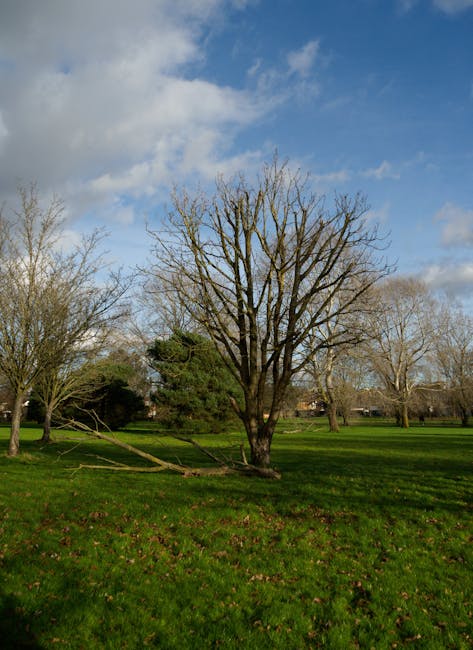
Best gardeners near Gunnersbury Park for small London gardens
If you are looking for the best gardeners near Gunnersbury Park for small London gardens, you are probably after something quite specific: not a huge landscaping crew, not a one-size-fits-all service, but someone who understands tight patios, narrow side returns, awkward shade, and the way a small garden can turn messy almost overnight. London gardens have a habit of doing that. One windy week, a bit of rain, a few fast-growing borders, and suddenly everything feels crowded.
The good news? A skilled local gardener can make even a modest outdoor space feel calmer, tidier, and far more usable. In this guide, we'll look at what makes a gardener a good fit for compact gardens near Gunnersbury Park, how to compare options sensibly, what to ask before booking, and which details tend to matter most in real life. If you want the broad picture of available help, you can also explore the services overview and learn more about the team on the about us page.
Truth be told, small gardens are often the hardest to get right. Every decision is visible. A border that is even slightly overgrown can make the whole place look cramped. So the aim is not just maintenance, but smart maintenance.
Table of Contents
- Why Best gardeners near Gunnersbury Park for small London gardens Matters
- How Best gardeners near Gunnersbury Park for small London gardens Works
- Key Benefits and Practical Advantages
- Who This Is For and When It Makes Sense
- Step-by-Step Guidance
- Expert Tips for Better Results
- Common Mistakes to Avoid
- Tools, Resources and Recommendations
- Law, Compliance, Standards, or Best Practice
- Options, Methods, or Comparison Table
- Case Study or Real-World Example
- Practical Checklist
- Conclusion
- Frequently Asked Questions
Why Best gardeners near Gunnersbury Park for small London gardens Matters
Small London gardens are not simply reduced versions of bigger ones. They need a different mindset. Near Gunnersbury Park, many homes have compact rear gardens, courtyard-style spaces, or narrow plots where a little neglect becomes obvious quickly. In those settings, the right gardener is doing more than cutting grass. They are shaping how the space feels to live with.
Why does that matter so much? Because a small garden can either feel like an extra room or like a storage corner with plants in it. The difference usually comes down to proportion, routine, and restraint. A good gardener knows when to prune back, when to leave structure in place, and when to avoid overplanting. There is a real art to not overdoing it.
People often think small gardens are easier. In some ways, sure. Less mowing. Less hedge cutting. But there is also less room for error. One badly placed shrub can block a path. One aggressive climber can swallow a fence. One missed visit in spring and the whole thing can look slightly defeated by May.
That is why local knowledge helps. A gardener familiar with West London conditions will understand shade from neighbouring buildings, patchy soil, air flow through terraced layouts, and the way paved areas can become slippery or weed-prone after wet spells. Practical awareness counts. A lot.
For readers wanting a provider that works with those everyday realities, it is sensible to check the company's health and safety policy and insurance and safety information. Those pages help you judge whether a gardener takes the basics seriously, which is never a bad sign.
How Best gardeners near Gunnersbury Park for small London gardens Works
In plain English, the process usually starts with understanding the space, the seasonal workload, and the level of finish you want. For a small garden, a gardener may begin with a one-off tidy-up, then move into regular maintenance if the layout and planting need ongoing care.
Here is how it normally works in practice:
- Initial look over the garden. The gardener checks access, plant condition, soil, paving, borders, and anything that needs immediate attention.
- Agreement on priorities. You might want a tidy courtyard, clearer paths, healthier planting, better privacy, or simply less weekend DIY.
- Choice of service level. That could mean regular visits, a seasonal reset, pruning, planting, lawn care, waste removal, or a mix.
- Work is carried out efficiently. In small gardens, efficiency matters, but so does attention to detail. A sloppy finish stands out fast.
- Ongoing maintenance plan. Some spaces need monthly attention. Others do better with fortnightly or seasonal visits. There is no perfect formula, annoyingly enough.
In compact gardens, the best results usually come from prioritising structure over volume. That means clean edges, healthy containers, controlled growth, and simple planting that does not fight the space. A tiny garden with five competing feature plants can feel more cramped than a plain one with good lines and thoughtful care.
If you want to compare what may be included, the services overview is a good starting point, and the pricing and quotes page can help you understand how estimates are typically handled before work begins.
Key Benefits and Practical Advantages
Hiring a good gardener for a small London garden is not just about neatness. There are several practical upsides that become obvious once the garden stops being a chore.
- More usable space. Crisp edges, controlled planting, and cleaner surfaces make a tiny garden feel bigger.
- Less weekend pressure. You do not spend Saturday morning wrestling with secateurs and wondering where the compost bin lid went.
- Healthier plants. Regular pruning, feeding, and sensible watering prevent the "too dry, then too soggy" cycle that many urban gardens suffer from.
- Better seasonal interest. A skilled gardener can keep something looking good in winter, spring, summer, and autumn rather than all the interest disappearing in one month.
- Lower risk of damage. Overgrown plants can trap moisture, block paths, lean on fences, or damage paving. Preventing that early is cheaper and easier.
- Improved first impression. If you rent, sell, or host often, a tidy garden makes an immediate difference. You notice it before guests do, actually.
One subtle advantage people miss is visual balance. Small gardens need rhythm. A hedge clipped just right, a container repeated in the same material, a line of planting with breathing space between. These are small things, but they calm the eye. And in a compact urban space, that matters more than you might think.
Expert summary: For small gardens near Gunnersbury Park, the best gardeners are usually the ones who combine steady maintenance, simple design judgement, and an eye for proportion. The goal is not maximum planting. It is maximum usability.
Who This Is For and When It Makes Sense
This kind of service makes sense for a wide range of households and property types, but especially for people with limited time, limited space, or gardens that need a bit of rescuing.
You may be a good fit if you:
- live in a terrace, maisonette, or flat with a compact outdoor area
- have a garden that is too small to justify DIY equipment purchases
- want a tidy front or back garden without spending every spare evening on it
- need help with pruning, planting, or keeping things under control between seasons
- are preparing a home for sale, letting, or guests
- have inherited a garden that is a bit of a jungle, to be fair
It also makes sense if your garden is technically small but tricky. These are often the ones that need the most care: shady corners, narrow access, raised beds, awkward steps, or planting zones split between paving and soil. A gardener who understands those constraints can save you from choosing plants that look lovely for three weeks and then sulk for the rest of the year.
For many local residents, the decision comes down to time and confidence. If you know what you want and have the hours, DIY can work. But if the garden is already behind, or you simply want a more professional finish, calling in help is often the simpler route.
Step-by-Step Guidance
If you are deciding how to approach a small garden near Gunnersbury Park, this simple process keeps things grounded and practical.
- Define the problem first. Is the issue overgrowth, poor planting, wasted space, lack of privacy, or all of the above?
- Walk the garden with a clear eye. Note where the sun hits, where water collects, and which areas you actually use.
- Set a realistic goal. Do you want "tidy and easy," "better planting," or "a full refresh"? The answer changes the job.
- Ask about regular maintenance. Small gardens often do best with lighter but more frequent care rather than dramatic, infrequent interventions.
- Request a written quote. Good gardeners should be able to explain what is included and what might cost extra.
- Check the practical extras. Waste removal, plant sourcing, access, parking, and timing can all affect the final result.
- Review the safety and payment basics. A professional setup should be clear on insurance, payment handling, and expectations.
A sensible next step is to request a quote and compare the scope rather than just the headline price. You can see how estimates are handled via the pricing and quotes page, and if you are ready to talk directly, the contact us page is the cleanest way to begin.
One little tip: ask what a visit will look like on a wet Tuesday in March as well as on a sunny June morning. That sounds oddly specific, but weather changes the job in London more than people expect.
Expert Tips for Better Results
In our experience, the best outcomes come from a few simple habits rather than grand redesigns. The following tips are especially useful in small urban gardens.
- Keep the plant palette tight. Fewer species, repeated well, often looks smarter than lots of different plants squeezed together.
- Think vertical. Trellis, climbing plants, and wall-friendly structure can add softness without eating floor space.
- Use containers with purpose. Pots are brilliant in small gardens, but they need discipline. Too many and the place feels cluttered.
- Prune for shape, not just size. A plant that is simply cut back can still look messy. Shape matters.
- Leave walking lines clear. If people have to sidestep shrubs or squeeze past wet foliage, the garden will feel smaller than it is.
- Choose low-drama maintenance where possible. That means plants and finishes that suit your actual routine, not your idealised routine.
One practical observation: compact gardens often look their best when there is a little emptiness. Not bare, just breathing room. People sometimes want every inch planted, but that can make a small space feel anxious. A clean paving run, an uncluttered corner, or one well-placed pot can be doing more work than you think.
If sustainability matters to you, it is also worth reviewing a gardener's approach to waste and materials. The recycling and sustainability page is useful if you want to see how green waste, reuse, and sensible disposal are handled.
Common Mistakes to Avoid
Small gardens punish rushed decisions. Here are the most common mistakes we see people make, and they are all avoidable.
- Choosing the wrong scale. Large shrubs, oversized furniture, or broad planting schemes can overwhelm a compact plot.
- Ignoring maintenance frequency. A garden that looks great after a one-off tidy-up may fall apart quickly if it is not maintained.
- Overcomplicating the design. Too many materials, colours, or plant types can make a tiny garden feel noisy.
- Not checking access. Narrow side passages, locked gates, and awkward parking all affect the work plan.
- Focusing only on price. Cheapest is not always cheapest, if you end up paying for repeat fixes or poor workmanship.
- Skipping the basics of trust. Insurance, safety procedures, and clear terms matter even for a simple garden job.
Another mistake is assuming that "small" means "quick and easy." Sometimes it is quick. Sometimes it is fiddly. Tiny spaces can involve precision pruning, careful container work, and a lot of tidying per square metre. Not glamorous, but that is the job.
Tools, Resources and Recommendations
You do not need to become a full-time gardener to manage a small London garden well, but it helps to understand the basics of what good professionals use and why.
Useful tools and approaches
- Hand pruners and secateurs. Better than large cutters for precise shaping and deadheading.
- Lightweight hedge tools. Helpful where boundaries and screens need regular control.
- Weeding tools and edging knives. Especially useful for paving joints, borders, and paths that get tired quickly.
- Compost and soil improvers. Small gardens often have soil that is compacted, tired, or short on organic matter.
- Simple watering systems. Even a basic routine can stop pots drying out too fast in warmer spells.
What to look for in a local gardener
- clear communication before the first visit
- good understanding of small-space layout
- practical pruning and planting advice
- transparent quoting and payment details
- evidence of insurance and sensible safety practices
If you want to understand how the business handles customer information and online interaction, the privacy policy and payment and security pages are worth a look. They are not the most glamorous pages on a site, granted, but they matter. A lot.
And for anyone who prefers to know the business side before booking, the terms and conditions and complaints procedure provide helpful structure. That kind of clarity usually signals a more organised service overall.
Law, Compliance, Standards, or Best Practice
Gardening may feel informal, but there are still sensible standards behind a professional service. In the UK, a reputable gardener should take care with safety, waste handling, insurance, and customer communications. You do not need to become an expert in legal wording, but you do want to know the essentials.
Best practice usually includes:
- Public liability insurance where appropriate for the work being carried out
- clear safety procedures for tools, access, and site conditions
- proper handling of waste and green materials
- transparent pricing so there are no awkward surprises halfway through a job
- fair and clear complaints handling if something goes wrong
If a gardener is working in a residential setting, they should also be respectful of neighbours, shared access, and local parking realities. That last one sounds trivial until a van blocks a narrow street and everyone gets grumpy. London, eh?
For clients who care about ethical business practices, a company may also provide a modern slavery statement and sustainability information. Those are trust signals, not marketing fluff. You can review the modern slavery statement and recycling and sustainability page for more context.
Options, Methods, or Comparison Table
Different small gardens need different approaches. The right choice depends on how much time, structure, and ongoing care you want.
| Approach | Best for | Pros | Watch-outs |
|---|---|---|---|
| One-off tidy-up | Overgrown or neglected small gardens | Fast improvement, good for a reset | Needs follow-up to stay neat |
| Regular maintenance | Busy homeowners and tenants | Consistent look, less stress, better plant health | Requires ongoing budget and scheduling |
| Seasonal visits | Gardens with light upkeep needs | Useful for pruning, cutting back, and spring/autumn refreshes | May not be enough for fast-growing spaces |
| Planting refresh | Gardens that look sparse or tired | Improves appearance and structure | Needs the right plant selection for shade and space |
For many people near Gunnersbury Park, regular maintenance is the sweet spot. It avoids the boom-and-bust pattern where the garden looks lovely after a big visit and then gradually slips again. A little and often is often better. Not always, but often.
Case Study or Real-World Example
Picture a small rear garden behind a Victorian terrace near Gunnersbury Park. There is a narrow strip of lawn, a couple of tired shrubs, some self-seeded climbers, and a paved area that has started to feel cluttered. The owners use the space for morning coffee and the odd dinner outside, but they have not had time to keep on top of it.
A sensible gardener would not rush straight into replanting everything. First, they would clear the worst of the growth, define the edges, and see what is worth saving. Then they might reduce one shrub for balance, open up the paving, and introduce a few hard-working plants that suit shade and limited width. Maybe one taller element for privacy, maybe a cleaner line along the fence, maybe fewer pots but better placed.
That kind of measured change usually feels more successful than a dramatic makeover. Why? Because the garden still belongs to the house. It still works for morning tea, for a chair in the sun if the sun appears, and for easy movement without constantly stepping around stuff. It becomes a place you want to use, not just a place you keep tidy out of guilt.
A small win can be surprisingly powerful. After one decent visit, people often notice the path first, then the light, then the fact that they can actually see the shape of the space again. Funny how quickly a garden can breathe once the clutter is gone.
Practical Checklist
Use this checklist before booking a gardener for a small garden near Gunnersbury Park.
- Have I defined what needs doing most urgently?
- Do I want a one-off visit or regular maintenance?
- Have I checked that the gardener understands small-space work?
- Is the quote clear about labour, materials, and waste removal?
- Have I confirmed access, parking, and any gate or key arrangements?
- Does the business provide insurance and safety information?
- Am I comfortable with how payment is handled?
- Have I asked how they deal with pruning, green waste, and sustainability?
- Do I understand the likely follow-up needed to keep the space in shape?
- Have I checked the terms, privacy details, and complaints process if needed?
If you can tick most of those off, you are in a good place. Not perfect, maybe, but properly prepared.
Conclusion
Finding the best gardeners near Gunnersbury Park for small London gardens is really about fit: fit for the space, fit for your routine, and fit for the kind of result you want. The strongest choice is usually the one that understands proportion, works neatly, communicates clearly, and treats a compact garden as something worth getting right rather than something to rush through.
In a small garden, thoughtful care goes a long way. A little structure, a little restraint, a bit of regular attention, and suddenly the space feels calmer and more inviting. That is the aim. Not perfection. Just a garden that works beautifully for real life.
If you are comparing options now, start with the service details, check the trust pages, and ask for a clear quote. Small gardens deserve careful hands too, and once you find the right one, you really do feel the difference every time you step outside.
Get a free quote today and see how much you can save.
Frequently Asked Questions
What should I look for in a gardener for a small London garden?
Look for someone who understands compact layouts, careful pruning, tidy finishes, and sensible planting choices. Small gardens need precision more than brute force.
How often should a small garden near Gunnersbury Park be maintained?
That depends on planting and usage, but many small gardens benefit from regular visits every few weeks or at least seasonal attention. Fast-growing spaces usually need more frequent care.
Is a one-off tidy-up enough for a small garden?
It can be, if the space is already fairly manageable. If the garden grows quickly or you want it to stay consistently neat, ongoing maintenance is usually better.
How do I compare gardeners fairly?
Compare scope, not just price. Ask what is included, how waste is handled, whether tools and materials are supplied, and how follow-up work is billed.
Should I choose a gardener who only does maintenance or one who also plants?
If your garden needs both upkeep and improvement, a gardener who can handle planting as well as maintenance is often the more practical choice. That said, it depends on the scale of the job.
What are the biggest mistakes in small garden design?
Overcrowding, using the wrong plant scale, and ignoring access routes are the big ones. A small garden can feel twice as cramped if those three go wrong.
Do I need insurance for a gardener?
You do not need to buy it yourself, but you should check that the gardener has appropriate insurance and safety arrangements for the work being done.
How can I make a small garden feel bigger?
Keep pathways clear, reduce clutter, use a limited colour palette, and avoid overplanting. Vertical planting and good structure can also help create the feeling of space.
What if my garden is in bad shape and I do not know where to start?
That is very common. Start with a clean-up, then decide what to keep, what to cut back, and what should be replaced. A good gardener can help you prioritise without overcomplicating it.
Are sustainable gardening methods worth asking about?
Yes, especially if you care about green waste, reusable materials, and low-waste maintenance. It is also a useful sign that the gardener thinks carefully about the job as a whole.
Can a small garden still have privacy and structure?
Absolutely. With the right screening, climbers, trellis, or planted boundaries, a compact garden can feel private without becoming boxed in.
Where should I start if I am ready to book?
Begin with the service details, then request a quote and check the practical pages on payments, insurance, and terms. If everything feels clear, you are probably on solid ground.